Mastering the Art and Science of Professional Makeup
Intro
The world of professional makeup is more than just brushes and palettes. It's an amalgamation of skill, art, and a deep understanding of individual beauty. From ancient civilizations where makeup served both spiritual and practical purposes to the glitzy modern scene where trends can change overnight, the story of makeup is rich and textured.
Today, as makeup has grown into a multifaceted industry that intersects fashion and psychology, understanding its elements becomes paramount. Whether you’re aspiring to become a makeup artist or simply looking to enhance your own application skills, examining the art and science of it can offer insights that elevate your beauty game.
In this comprehensive guide, we’ll journey through essential techniques, delve into product recommendations, find out the latest trends, and glean advice from industry experts. The intent is not just to navigate the infinite world of mascara and foundation but to empower everyone—novices to seasoned enthusiasts—on their beauty endeavors.
Understanding Professional Makeup
Understanding professional makeup involves grasping its various components, techniques, and the underlying science which transforms mere application into art. It’s not just about slapping on some color; it’s a methodical approach that requires keen attention to detail, an understanding of facial structure, and knowledge of skin types. This article seeks to elevate your comprehension to a new level, moving beyond the surface and exploring the inherent beauty and complexity of the craft.
In a world where first impressions are often crafted through visual aesthetics, mastering professional makeup becomes crucial. Whether for photography, television, or day-to-day wear, the right makeup can enhance features, convey moods, and assert one's personality. A skilled makeup artist knows how to combine colors, textures, and tools in a way that makes individuals feel their most confident.
Definition and Purpose of Professional Makeup
Professional makeup is primarily about enhancing natural beauty, while also allowing individuals to express themselves creatively. Performers, models, and clients use makeup to achieve specific looks for various occasions, and it’s often tailored to suit the lighting and environment of the event, whether on-stage or in front of the camera.
The purpose goes beyond aesthetics; it can boost self-esteem and help reshape how a person feels about themselves. Professional makeup artists apply their skills to help each individual tell their story, often aiming for a flawless yet unique finish. This customization is what sets professional makeup apart from the amateur application.
"Makeup is not just a mask; it’s an avenue for self-expression that transcends mere looks."
Historical Evolution of Makeup Artistry
The history of makeup is as old as civilization itself. From the kohl-rimmed eyes of ancient Egyptians to the elaborate regimens of the Victorian era, makeup has always had a societal role. Initially, it served practical purposes, such as protection from the elements or the enhancement of social status. Over time, the context in which makeup was used shifted dramatically.
- Ancient Roots: In ancient cultures, makeup was often used in religious rituals, symbolizing holiness or status. For example, in ancient Greece, it was a sign of beauty and wealth.
- Renaissance Revelations: The Renaissance saw a significant change in makeup; it became synonymous with art and sophistication. Women began using products that were more colorful and expressive, incorporating natural elements like crushed gemstones.
- 20th Century Innovations: Fast forward to the 20th century, where the industry expanded with the advent of new chemicals and technologies. The introduction of mass-produced products allowed makeup to be accessible to the average consumer. Iconic figures, from Marilyn Monroe to Twiggy, influenced trends with their distinct looks, which are still references today.
The industry continues to evolve, adapting to the needs and preferences of modern society. From cruelty-free brands to eco-friendly products, today's makeup artistry reflects a more inclusive, global, and conscientious approach.
Understanding the origins and transformations of makeup artistry not only enriches the appreciation of the craft but also serves as a foundation for future innovations. Engaging with both the historical context and contemporary practices provides aspiring makeup artists and enthusiasts a fuller, richer perspective on what it means to master the art of professional makeup.
The Makeup Application Process
Makeup application is not just an art; it encompasses both science and technique. The makeup application process serves as a crucial phase in any professional makeup endeavor, impacting not only the final look but also how long the makeup lasts and how it interacts with the skin. Knowing the important elements of this process allows makeup enthusiasts and professionals to create looks that can withstand a myriad of conditions, from daily wear to high-stakes events.
Skin Preparation Techniques
Preparing the skin is like laying down the foundation of a house; it influences everything built upon it. Proper skin preparation involves cleansing, exfoliating, and moisturizing, ensuring that the canvass for makeup application is flawless. A well-prepped skin can significantly enhance the effectiveness of the products applied thereafter and promotes longevity of the makeup wear.
Key Techniques for Skin Preparation:
- Cleanse Thoroughly: Use a cleanser suitable for your skin type to remove impurities and excess oils.
- Exfoliate: Whether using scrubs or chemical exfoliants, removing dead skin cells leads to smoother application and finish.
- Moisturize: Hydrating the skin helps create a plump and dewy look.
Effective skin prep sets the tone for all subsequent application steps, enhancing overall results and making them more visually appealing.
Selecting the Right Products
The vast array of makeup products can leave anyone feeling bewildered, yet selecting the right ones can make a world of difference in the final outcome. Each category of product plays a specific role in achieving the desired look, and choosing wisely ensures that the results are not just satisfactory but outstanding.
Foundations and Bases
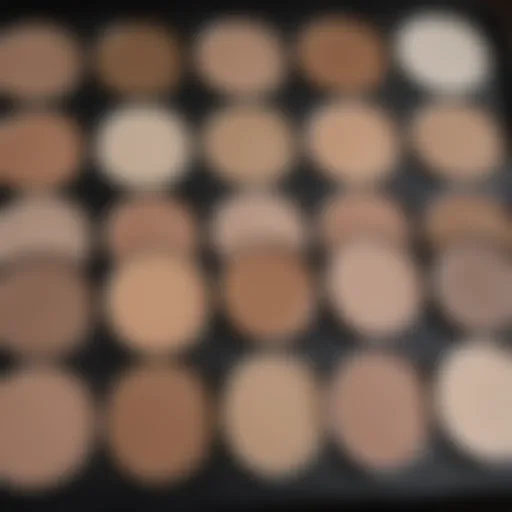
Foundations lay the groundwork for an excellent makeup application, acting as the primary product that evens out the skin tone. When selecting foundations, factors like skin type, coverage preference, and finish need special consideration. A matte foundation might work well for oily skin, while a dewy one might be better for dry skin.
Key Characteristic: The blendability of a foundation is vital; it should seamlessly mix with the skin. Unique Feature: Today's formulas include skincare benefits, which is an edge for those with sensitive or problematic skin. However, some full-coverage options might feel heavy or uncomfortable after several hours.
Primers and Setting Sprays
Primers are underappreciated gems in the makeup world. They create a barrier between your skin and the makeup, allowing for smoother application. Setting sprays follow to lock everything in place, preventing makeup from melting away during the day.
Key Characteristic: A good primer will fill in pores and fine lines. Unique Feature: They come in various formulations, addressing different skin concerns. However, one drawback can be that if not selected carefully, they may not work well with certain foundations, leading to patchiness or separation later in the day.
Color Cosmetics
Color cosmetics are where the fun truly begins, allowing for creativity and expression. Eyeshadows, blush, and lip colors can transform a look. It’s essential to consider color theory when selecting shades, making choices that enhance an individual's natural features.
Key Characteristic: Versatility of color cosmetics lets users mix and match. Unique Feature: Many brands offer buildable options, making them suitable for various occasions. However, some inexpensive products may lack pigment, resulting in dulled colors that require more layers for an impactful look.
Applying Makeup: Step-by-Step
Understanding how to apply makeup step by step is vital in mastering the art. Each layer builds upon the last, contributing to a harmonious finish that reflects professionalism.
Base Application
The base application is fundamental, where products like foundation and concealer are strategically placed to even out skin tone and eliminate imperfections. A well-applied base creates an illusion of a smooth, flawless complexion.
Key Characteristic: Achieving a natural finish while providing adequate coverage is key. Unique Feature: Using tools like beauty sponges or brushes can change the texture and finish of your base, making it either matte or luminous.
Eye Makeup Techniques
Eye makeup can make or break a look. Techniques vary from simple applications to advanced artistry involving shading, blending, and defining. Knowing how to play up eye shapes and colors is crucial.
Key Characteristic: The sparkle of eye makeup brings brightness to the face and can change one’s appearance drastically. Unique Feature: Many products are now designed for easy application; however, techniques such as layering and blending still require practice for mastery.
Lip Care and Color
Completing the look with lips entails not just color but also texture. Proper lip care involves exfoliating and moisturizing to lay the foundations for lipstick or gloss application. The right color can entirely transform one’s persona, and finding a match requires an understanding of undertones.
Key Characteristic: The choice between matte and glossy finishes can affect the overall vibe of the makeup. Unique Feature: Some lip products also contain nourishing ingredients, ensuring that lips look as good as they feel. However, long-wear formulas sometimes lead to flaking if not applied correctly.
For best results, remember that continual practice is the key to refining your makeup application skills. Each face is a unique canvas waiting for artistry to unfold.
Understanding Facial Features
Understanding facial features is crucial in the realm of professional makeup artistry, as each individual's unique characteristics dictate the application techniques used. By taking a closer look at facial structure, makeup artists can create a look that enhances natural beauty rather than masking it. This section will delve into how to accentuate eye shapes, the nuances of contouring and highlighting, and the art of defining the lips. The practical benefit of mastering these techniques lies in their ability to tailor makeup to suit personal styles and occasions.
Enhancing Eye Shape
To truly elevate one's makeup skills, it's imperative to grasp the diverse eye shapes and how to enhance them. For instance, almond-shaped eyes can benefit from techniques that elongate their natural shape, while round eyes might look more stunning with a little mascara trickery to give an upturned effect.
Here are several approaches one could consider:
- Eyeliner Play: For almond eyes, a sleek line along the lid can elongate the gaze. On the other hand, a winged liner can help lift round eyes.
- Eyeshadow Techniques: Softer shades on the lids with darker tones in the crease may create depth for both eye shapes. Remember, blending is essential; you want everything to flow seamlessly.
- Highlighting: A touch of light-colored eyeliner on the waterline can instantly wake up the eyes, making them appear larger, regardless of shape.
"Makeup should enhance, not disguise! It's about emphasizing what makes you, you."
Contouring and Highlighting
Contouring and highlighting have gained fame in recent years as tools for sculpting the face. Mastering these techniques can significantly transform one’s makeup game. Knowing the right areas to contour and highlight is vital.
- Contour: This technique works by creating shadows to define facial features. Depending on the face shape, you might want to contour along the sides of the nose, under the cheekbones, and along the jawline. It's all about the illusion of depth.
- Highlight: Adding highlight to the cheekbones, brow bones, and the bridge of the nose adds dimension and draws attention to the high points of the face.
- Balancing Act: It’s important to achieve a balance between contour and highlight. Overdoing either can lead to a look that is too stark and not seamless, so practice is key.
Defining the Lips
The final touch in makeup artistry is often the lips. They are not just about color; it’s about defining shape, moisture, and the overall look of the face. A well-defined lip can be the cherry on top.
- Lip Liner: Use lip liner to enhance the natural shape of lips. This prevents color from feathering and helps maintain the integrity of the lip color throughout wear.
- Shades and Textures: Depending on the occasion and the desired look, selecting the right shade is important. Matte finishes can deliver a bold, sophisticated look, while glosses or satins lend a delicate, more youthful vibe.
- Ombre Technique: This involves blending two colors, usually a darker shade on the outer edges transitioning to a lighter shade in the center. It's an artful way to create volume visually.
By understanding how to play with these facial features, makeup artists can craft looks that are not only stunning but also true to the individual's character. Understanding one’s face is akin to having access to the makeup artist's secret handbook, but it’s a journey worth embarking on.
Makeup Techniques for Various Occasions
The world of makeup is diverse, and one of its most significant aspects is the application tailored for various occasions. Understanding how to adapt makeup techniques for different events is crucial; it can greatly enhance one’s overall appearance and confidence. Whether it’s for a casual day out or a formal gathering, the right makeup can make all the difference. Tailoring looks according to the event not only reflects personal style but also respects the atmosphere of the occasion.
Everyday Makeup Looks
Everyday makeup aims to enhance natural beauty while remaining practical for daily activities. The key here is subtlety; one should aim for a fresh-faced appearance that doesn’t appear overly done.
- Skin Prep: Begin with a clean and moisturized face. Using a lightweight foundation or BB cream can unify skin tone while allowing for a natural glow.
- Eyes: A touch of neutral eyeshadow, a coat of mascara, and a light brow defining can elevate your gaze without shouting for attention.
- Lips: Opt for a tinted lip balm or a nude lipstick that complements your skin tone. This adds a hint of color without overwhelming the face.
Incorporating the right balance is essential. The focus should be on enhancing one's features rather than masking them. A well-executed everyday look can leave individuals feeling polished yet approachable.
Evening and Special Occasion Makeups
When the sun goes down, the rules of makeup often shift to more vibrant and dramatic techniques. Evening makeup can be about a bold statement, drawing more attention to the eyes or lips.
- Dramatic Eyes: Smoky eyes or glittery eyeshadow can create depth. Don't shy away from playful colors that sparkle and catch the light.
- Flawless Base: Evening events often require long-lasting foundations. A full-coverage makeup that withstands sweat and smiling is paramount.
- Bold Lips: Reasons for going big on lips might include choosing shades like deep reds or vibrant pinks. Pair this with your eye makeup for a balanced yet striking look.
In the evening, the goal is to embody confidence with every swipe of a brush. That extra bit of effort in the application can transform someone into a vision of elegance.
Bridal Makeup Essentials
Bridal makeup represents a merger of artistry and emotion, as it plays a crucial role in one of the most important days in a person’s life. It’s essential that the makeup not only looks good on the day but also lasts through all the joyous moments.
- Prepping the Face: Skincare is critical ahead of time. A good moisturizer and a primer can create the perfect canvas. Also, a bridal makeup trial is indispensable to ensure the desired look is achievable.
- Timeless Look: Soft, romantic hues tend to resonate well at weddings. Think soft pinks and classic reds; these shades photograph beautifully.
- Durability: Using high-quality, longwear products is vital. From foundations that last through tears of joy to setting sprays that lock everything in place, each component counts.
In this sacred moment, the makeup should enhance the wearer’s natural beauty while symbolizing their unique personality. Special attention is given to ensuring the bride feels like the best version of herself.
Ultimately, knowing how to adjust makeup techniques for different occasions not only adds dimension to one’s skills but also enhances the experience for everyone involved.
Trends in Professional Makeup
In the ever-evolving world of beauty, staying abreast of trends is crucial for professionals and enthusiasts alike. The realm of professional makeup is not just about applying products; it's also about responding to cultural shifts, technological advancements, and changing consumer preferences. Understanding these trends can help artists refine their craft and tailor their approach to meet the needs of their clientele more effectively. Additionally, grasping current trends can lead to valuable insights for product selection and application techniques, ensuring makeup looks are not only modern but also relevant.
Current Trends in the Makeup Industry
One key trend dominating the makeup industry today is the move towards inclusivity. Brands have recognized the need to cater to a diverse range of skin tones and types. For instance, Fenty Beauty, created by Rihanna, has set the bar high with its extensive foundation shade range, emphasizing that beauty is not one-size-fits-all. This growing awareness pushes other brands to follow suit by developing products that reflect the true spectrum of human diversity.
Moreover, minimalism is gaining traction. Many makeup wearers are opting for a more natural look that enhances their features without heavy layers of products. This has opened doors for the "no-makeup makeup" trend. Light foundations, tinted moisturizers, and cream blushes are becoming staples in many makeup bags. This approach not only supports skin health but also encourages a more authentic representation of beauty.
Another important trend is the integration of skincare into makeup. Products now come infused with beneficial ingredients, appealing to consumers who seek multi-functional makeup. For example, foundations with SPF protection or lipsticks that hydrate, signal a merging of cosmetics with skincare knowledge. Such innovations reflect a growing consciousness about skin health and wellness.
"In the world of professional makeup, adapting to trends is just as vital as mastering techniques. The landscape is shifting, and embracing these changes can empower both the artist and the consumer."
Influence of Social Media on Makeup Trends
Social media has undoubtedly reshaped how we perceive and interact with beauty trends. Platforms like Instagram, TikTok, and YouTube serve as breeding grounds for new ideas and inspiration. Makeup artists and influencers showcase their artistry and creativity, allowing trends to spread like wildfire across demographics. The rise of tutorials and quick transformation videos gives everyday individuals access to professional techniques, democratizing beauty knowledge.
The phenomena of 'viral makeup challenges' highlight how social media can captivate attention. Challenges like the "Euphoria Makeup Looks" encouraged users to experiment with bold colors, glitter, and unique designs, thus stimulating creativity among both consumers and professionals.
This social media influence often leads to phenomena such as fast fashion in the beauty industry, where trends cycle rapidly. Looks that gain traction one week may be outdated the next. Brands are quick to adapt, releasing new products at an unprecedented pace to cater to the shifting whims of beauty enthusiasts.
In addition, social media also plays a pivotal role in brand transparency. Consumers are more informed and concerned about product ingredients, ethical sourcing, and sustainability. They tend to rally behind brands that align with their values, pushing for a more eco-conscious approach to makeup.
However, while social media acts as a double-edged sword, providing visibility and opportunities for emerging artists, it can also set unrealistic beauty standards. Therefore, it becomes vital for both enthusiasts and professionals to navigate this landscape mindfully, focusing on authenticity and representation in their practices.
Sustainability in Makeup Products
In an era where climate change and environmental issues are becoming increasingly pressing, the realm of cosmetics is not immune to this scrutiny. Sustainability in makeup products is no longer just a trend; it's a crucial element that beauty enthusiasts, makeup artists, and consumers need to consider. As the demand for eco-friendly products rises, understanding the importance of sustainability can empower individuals to make better choices, fostering an industry that values ethics and ecological responsibility.
Adopting sustainable practices in the makeup industry can lead to numerous benefits. For example, the use of natural and organic ingredients not only minimizes the ecological footprint but also reduces the likelihood of skin irritations and allergic reactions for consumers. Furthermore, sustainable brands often prioritize ethical sourcing, which benefits communities and ecosystems by promoting fair trade practices.
Additionally, reducing waste is a significant aspect of sustainability. Brands are now rethinking packaging solutions, opting for recyclable materials, or introducing refillable options to curb the excessive plastic load on our planet. This shift not only appeals to eco-conscious consumers but also positions brands favorably in a competitive market, where buyers increasingly prefer products that align with their values.
"Sustainability is not just a choice; it's a responsibility that will shape the future of our industry."
Consequently, understanding these elements is pivotal in fostering a more sustainable future for beauty. By recognizing the significance of this movement, makeup lovers can contribute to positive environmental change, making informed decisions that resonate with their values.
Eco-Friendly Products and Brands
When it comes to eco-friendly makeup, several brands have taken impressive leaps towards sustainability. Some notable names in this growing sector include:
- Ilia Beauty: Known for its commitment to clean formulations, Ilia sources organic and biodegradable ingredients to create products that are both effective and gentle on the skin.
- RMS Beauty: This brand champions the idea of "less is more" and uses raw, food-grade ingredients in its formulations. Their packaging is also recyclable, emphasizing their commitment to reducing waste.
- Tarte Cosmetics: Leveraging their "powered by nature" slogan, Tarte incorporates natural ingredients while ensuring their products are cruelty-free and environmentally friendly. They regularly contribute to various environmental causes.
- 100% Pure: As the name suggests, this brand prides itself on pure, natural ingredients that are free from toxins. They also offer a range of refillable products, minimizing waste.
- Aether Beauty: Aether Beauty makes sure that all its products are cruelty-free and free from harsh chemicals. Their products come in compostable packaging, setting a benchmark for sustainability in makeup.
These brands demonstrate that beauty does not have to come at the environment's expense. By opting for their offerings, makeup enthusiasts contribute to a larger cause, showing support for responsible business practices that benefit the planet.
Making Informed Choices
The question arises: how does one navigate the sea of options available today? Making informed choices when it comes to sustainable makeup involves several considerations:
- Ingredient Transparency: Always check the ingredient list. Look for brands that avoid harmful chemicals and promote natural, organic compositions.
- Certifications: Seek out products that boast certifications such as cruelty-free, vegan, and organic. These labels often indicate a brand's commitment to ethical practices.
- Packaging: Pay attention to how products are packaged. Recyclable, biodegradable, or refillable packaging contributes significantly to sustainability efforts.
- Brand Values: Research the brand’s mission and values. Brands that actively participate in community initiatives or environmental causes tend to reflect a genuine commitment to sustainability.
- Consumer Reviews: Look at what others say. Reviews can offer insight into product performance and the brand's reliability in delivering on its sustainable promises.
The Future of Professional Makeup
Understanding what lies ahead in the world of professional makeup is crucial for both enthusiasts and those who make a living from this art. As the beauty industry continues to grow, shaping preferences, technological advancements, and sustainability efforts become key elements in defining the future landscape. Creators, brands, and consumers alike need to navigate changes that reflect our collective values while satisfying the demand for innovative and effective products.
Innovations in Makeup Technology
Technology is no longer just a tool in the makeup artist’s kit; it is transforming the way makeup is understood and applied. From augmented reality (AR) applications that provide virtual try-ons to AI algorithms optimizing product recommendations, technology is enhancing both accessibility and personalization in makeup shopping.
As a makeup lover, consider these innovations:
- AR and VR Tools: Brands like L'Oréal and Sephora have incorporated augmented reality features in their mobile apps. With these features, potential customers can test how products look on their face from the comfort of their own home, bridging the gap between physical and digital.
- Smart Formulations: Companies are developing products that adapt to individual skin types and conditions. These formulations might not only provide coverage but also treat skin concerns, such as acne or dryness, thereby combining beauty with skincare.
- 3D Printing: Imagine a scenario where you can customize your makeup products precisely to your liking, from color to texture. With 3D printing technology entering the beauty scene, this possibility might not be too far off.
The continuous march of makeup technology is more than just making beauty easier or more fun; it’s also about better fitting the needs of diverse consumers. Brands that can't keep up with technology will find themselves left behind as clients increasingly seek tailored experiences.
“The future belongs to those who believe in the beauty of their dreams.” — Eleanor Roosevelt
The Evolving Role of Makeup Artists
The role of a makeup artist in the coming years seems set to evolve significantly. Traditionally, artists focused on application techniques and individualized looks, but as beauty trends and consumer needs shift, so do expectations.
Makeup artists now find their expertise required in various domains:
- Content Creation: Makeup artists are becoming influencers, sharing tutorials, reviews, and artistry insights through social media platforms. This gives them a voice, allowing artists to reach wider audiences and build their own identities.
- Consulting for Brands: A knowledgeable makeup artist may provide insights into product development, marketing strategies, and industry trends, pairing their skills with brand goals for meaningful collaborations.
- Focus on Wellness and Inclusivity: There is an increasing emphasis on holistic beauty. Makeup artists are expected to educate clients about skincare and well-being alongside makeup. Knowledge about ingredients, benefits, and techniques has shifted towards promoting healthier beauty practices.
In summary, the evolving role of makeup artists reflects changes in societal attitudes towards beauty, pushing professionals to adapt and grow in their expertise, ultimately leading to richer experiences for clients.
These shifts—driven by both technology and culture—provide an exciting glimpse into the future of professional makeup. The landscape is expanding, paving the way for innovative techniques, sustainable products, and the intersection of art with customer-centric practices.
Ending: Mastering the Art of Makeup
The journey through professional makeup artistry is both an exquisite art and a precise science. This conclusion section serves as a pin to hold together all the threads woven throughout this article, highlighting the essential elements that empower individuals to master the craft of makeup.
By understanding the foundations of makeup application, from skin preparation techniques to the nuances of selecting the right products, one can significantly enhance their skills. The ability to adapt techniques for various occasions further demonstrates the versatility required in the field. What’s more, the ever-evolving trends and sustainability practices in makeup teach us that makeup is not just about enhancing appearance; it is also about making informed choices in our beauty routines.
Embracing the knowledge shared in this comprehensive guide allows beauty enthusiasts and aspiring makeup artists alike to cultivate their unique style. The exploration of facial features and how to enhance them with makeup techniques can transform everyday routines into something extraordinary. This not only boosts confidence but also encourages more profound self-expression.
Key Elements to Mastering Makeup:
- Understand the Basics: A solid foundation in makeup must include knowledge of skin types and tones, essential tools, and basic techniques.
- Stay Updated: Whether through social media or workshops, keeping abreast of current trends can inspire creativity and innovation in techniques.
- Practice, Practice, Practice: Like any art form, proficiency comes with practice. Regularly experimenting with different styles and products will refine skills and reveal individual preferences.
"Makeup is a powerful tool for self-expression. Mastery of it transforms not just faces but also lives."
In the grand scheme of things, makeup transcends superficiality. It becomes a daily ritual, an optimistic endeavor, a means of exploring identity and personality. As this article encapsulates, the artful application of makeup demands dedication, experimentation, and a desire to evolve continually.
Summary of Key Takeaways
- Makeup as an Art and Science: It combines technical skill with artistic expression.
- Skin Prep Is Crucial: The canvas is the skin; therefore, prepping it correctly is essential for a flawless finish.
- Diversity of Techniques: Different occasions and personal styles warrant diverse approaches to makeup application.
- Awareness of Trends: The makeup landscape is always changing; engaging with current trends can add to one's artistry.
- Sustainability Matters: Choosing eco-friendly products helps create a more sustainable beauty environment.
Encouragement for Further Exploration
As you dip your toes into the world of makeup, remember that the journey is personal and ongoing. Resources abound that can spark your creativity and expand your knowledge. Joining communities, whether online on platforms like Reddit or social media groups, can offer insights and tips that resonate with your own experiences. Workshops and tutorials are also excellent avenues for gaining practical skills.
Additionally, consider diving deeper into understanding skin science, product formulation, and the psychological aspects of beauty—these topics can elevate your artistry from understanding just makeup application to appreciating the reasons behind its cultural significance.
In this vibrant community, there is always room for learning and growth. Take your brush, explore, and paint your narrative with colors and textures. Whether you are beginning your journey or have been navigating this landscape for years, the art of makeup invites you to keep pushing boundaries.
For further reading, resources such as Wikipedia and Britannica can provide historical context and insights into various makeup techniques.