Exploring Hair Color's Impact on Personal Identity
Intro
Hair color is more than just a shade; it serves as a canvas for expression and identity. The intricate relationship between hair color and personal aesthetics runs deep, often reflecting cultural narratives, societal expectations, and individual choices. From the fiery shades of red that evoke passion to the cool tones of platinum blonde signifying modernity or youth, each color tells a story.
As society evolves, so do the trends and meanings associated with hair. In a world that's increasingly interconnected, hair color carries diverse implications in various cultures. This exploration stitches together the threads of identity, psychology, and beauty standards, offering insights into why and how our choice of hair color matters today.
In the sections that follow, the article will explore the multi-faceted aspects of hair color, including how iņaspection influences people's perceptions, how color can shift social dynamics, and even the psychological effects of different hues on one’s self-image. Let's uncover these layers together.
Understanding Hair Color
Hair color serves as one of the most apparent aspects of personal aesthetics. It’s more than just a trend or a matter of fashion; it intertwines with identity, societal perceptions, and personal expression. To grasp its significance, one must dive into the science of hair pigmentation and reflect on how diverse factors mold our views about hair color.
The varying shades of hair can influence how individuals perceive themselves and how others perceive them. Think about it: when someone switches their hair from brunette to blonde, it can feel like donning a new persona. This transformation often sparks conversations and impacts social interactions in unexpected ways. Hair color can reflect moods, signify changes in one’s life, or even be a rebellion against societal norms.
The rich tapestry of cultural meanings also plays a significant role. Different cultures attribute varied significance to hair color, often linking it to beauty standards, social status, or even age. Understanding these aspects provides a comprehensive view of why hair color is not merely a visual component but a powerful statement woven into the fabric of individual and collective identities.
The Science of Hair Pigmentation
Genetic Factors
Genetics lays the groundwork for our hair color. It determines whether we’ll have dark, light, or red hair based on the genes inherited from our parents. The basic makeup of your hair is dictated mainly by two genes, which can intermingle in complex ways. The interplay of these genetic traits not only shapes the color but also the texture and curl pattern of hair.
These genetic influences can be advantageous for a range of reasons. For instance, certain shades are perceived as more appealing in various cultures, impacting one's social interactions. However, one must keep in mind that not everyone fits into the simple categories of hair color that genetics may suggest. Exceptions abound, and that brings a unique thrill to the exploration of personal hair aesthetics.
Melanin Types
The pigmentation in hair primarily stems from melanin, which comes in different types—eumelanin and pheomelanin being the key players. Eumelanin, which is either brown or black, provides the darker shades, while pheomelanin lends itself to lighter and red hues. The unique mix of these melanins determines the vast spectrum of hair colors we see today.
Identifying the type of melanin can aid in choosing the right hair color products, improving vibrancy and longevity. For instance, knowing a base color with high eumelanin levels may lead to safer decisions when opting for lighter shades. The downside, however, is that drastic changes can sometimes be tricky, requiring more advanced techniques to achieve desired tones without causing damage.
Environmental Influences
Environmental factors also play a pivotal role in how hair color is perceived and maintained. Sun exposure, humidity, and water quality can alter the appearance of hair color over time. For example, individuals living in sunny regions may experience lighter highlights due to sun exposure, which often adds complexity to their hair color, making it appear multi-dimensional and vibrant.
This characteristic of environmental influence highlights both benefits and drawbacks. On one hand, natural sun-kissed highlights are often coveted, while on the other, harsh conditions can fade color-treated hair, diminishing the intended appearance. Understanding these factors equips individuals with knowledge to better care for their hair, ensuring they maintain the vibrancy they desire throughout changing environmental conditions.
Historical Perspectives on Hair Color
Cultural Significance Throughout History
Throughout the ages, hair color has held various meanings across cultures. In ancient societies, hair color was often tied to social roles or health. For instance, in certain medieval European cultures, blonde hair was linked to purity and innocence, while darker hair sometimes was associated with mystery or seduction. The significance attributed to hair color can unexpectedly affect everything, from fashion to kinship systems.
Recognizing these historical contexts adds depth to the understanding of contemporary beauty ideals. While many might only focus on modern trends, historical threads provide insights into why certain shades have enduring appeal. The interplay of culture and hair color unfolds an intriguing narrative that resonates with personal significance.
Evolution of Hair Color Trends
Hair color has undergone a fascinating evolution, with trends reflecting societal shifts and technological advancements in dyeing methods. Take the 1960s for example, where bright colors and radical changes in hairstyles marked an era of rebellion and freedom. Jump to the present, and we see a growing acceptance of unconventional colors like pastels and vibrant neons, which break barriers of traditional aesthetics.
These evolving trends not only reveal the changing nature of beauty but also illustrate how society’s perception of attractiveness has shifted over the years. Keeping track of these changes can enrich one’s understanding of personal style and the broader implications of hair color choices.
Symbolism in Different Eras
Various time periods infused distinct symbolism into hair color, shaping its social significance. The Victorian era saw dark hair often associated with gothic romance, while the 1920s flapper movements embraced a more liberated and daring approach to light colors. Notably, each era offers a different lens through which to view beauty norms and choices.
Unpacking the symbolism behind hair color reveals how much societal values and aesthetics influence personal choices in hair. It shines a light on how, throughout history, hairstyles and colors have acted as narratives for personal and collective identity, reflecting broader themes of change, rebellion, and conformity.
Understanding these layers strengthens the conversation surrounding personal aesthetics, articulating how hair color journeys are far from superficial. They resonate deeply, echoing throughout cultures and eras.
Contemporary Hair Color Trends
In today's world, hair color plays a pivotal role in personal expression, acting as a canvas where individuality meets current trends. The choices one makes about hair color can reflect a plethora of styles, moods, and even social statements. As we dive into contemporary hair color trends, one cannot overlook the significance of popular shades and unconventional options. Each of these categories embodies a unique aspect of identity and self-presentation, influencing how individuals see themselves and how they are perceived by others.
Popular Hair Colors in Modern Fashion
Blonde: Shades and Techniques
Blonde hair has always been a staple in beauty, synonymous with youthfulness and vibrancy. When discussing Blonde: Shades and Techniques, it’s essential to highlight the variety within this category. From platinum to honey, each shade brings its own flair. The balayage technique, for instance, allows for natural-looking highlights that catch light beautifully, creating dimension without high maintenance.
Blonde hair consistently ranks as a favorable choice in modern fashion because it tends to complement various skin tones and can easily transform one's overall aesthetic. However, while going blonde can be appealing, it does come with its set of challenges. Maintaining brightness requires using specialized shampoos which can be drying, plus frequent salon visits. But this maintenance is often seen as a worthy investment in achieving that radiant look that many aspire to.
Brunette: Variations and Styles
On the flip side, brunette shades offer a rich palette that is equally stunning. Brunette: Variations and Styles showcases the many depths one can achieve, from espresso to light brown. One key characteristic that makes brunette popular is its versatility; this shade can be bold or soft, dramatic or understated, depending on the technique employed. Ombre, for instance, can perfectly blend darker roots with lighter ends, offering a chic transition.
Brunette hair is often perceived as sophisticated and timeless, and it generally requires less upkeep compared to lighter colors. However, for those who enjoy change, the options for highlights or lowlights can elevate a standard brunette look into something more dynamic. It strikes a balance between ease of maintenance and alluring style.
Red: Bold and Vivid Choices
Now, let’s talk about red, a color that speaks volumes. Red: Bold and Vivid Choices range from fiery shades like copper and crimson to deeper burgundies. Choosing a striking red hue instantly communicates confidence and a desire to stand out. This bold choice often attracts attention and can make a statement about one’s personality.
The advantage of red is that it can pair dramatically with various styles. However, like blonde, it also demands care; fade can be quick, requiring regular touch-ups to maintain that vibrant hue. Still, its powerful connotation in both fashion and psychology makes it a popular pick for those willing to invest the time.
The Rise of Unconventional Colors
Pastel Hues
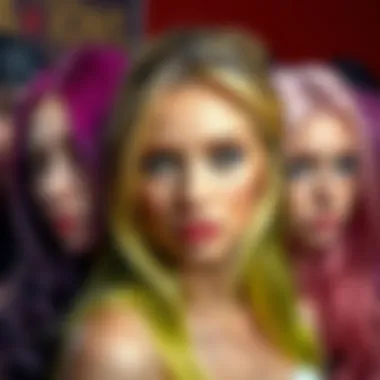
Unconventional colors have created an exciting wave in hair fashion. Pastel Hues invite playfulness and creativity into hairstyles. Lavender, mint green, and baby pink have taken front stage, especially among younger generations looking for more than just a standard look. These soft shades add a whimsical touch, breaking free from traditional expectations.
The added bonus? Pastels often serve as a medium of expression without the fear of permanence. Many choose to experiment with temporary dyes, allowing shifts in aesthetic depending on mood or occasion. Although these shades can be fun, they may require special shampoos to keep their soft colors from fading too quickly.
Neon Shades
In contrast, Neon Shades scream visibility. Bold neons capture attention and are usually associated with a youthful, rebellious spirit. Fuchsia, electric blue, and fluorescent yellow possess an energizing vitality, making them particularly popular at music festivals and social events. While these colors can be exhilarating, they can also present challenges, such as needing specific care routines to prevent dullness.
Such bright tones tend to be less forgiving when it comes to color mishaps, which can lead to unexpected results if not done correctly. However, the advantage of neon shades is their power to transform a look entirely, elevating everyday choices into statements of bravery and flair.
Color Combinations and Blending
Lastly, Color Combinations and Blending have become a design of artistry, allowing for unique expressions that tell personal stories. The blend of multiple colors can create a one-of-a-kind look that sets individuals apart from the crowd. Techniques like rainbow hair involve seamlessly fusing together multiple shades for a striking visual effect.
The primary strength of blending lies in its endless possibilities, granting individuals the chance to curate something meaningful. However, achieving a balanced blend often requires professional insight and skill. So, while going for a layered effect can be beneficial for personal expression, it might also necessitate a good deal of maintenance and expertise.
The world of hair color is ever-evolving, with trends that speak volumes about personal aesthetics and identity. Knowing how to navigate these trends can empower individuals to showcase their unique selves effectively.
In summation, contemporary hair color trends offer a rich tapestry of styles that harness the beauty and significance of individuality. As beauty enthusiasts explore these options, understanding the nuances of popular and unconventional shades becomes essential in creating looks that resonate on a personal level.
The Psychological Effects of Hair Color
Hair color is not just a visual attribute but also carries significant psychological weight. How individuals perceive and express themselves can be heavily influenced by the color of their hair. This section delves into the psychological impacts of hair color, examining how it shapes self-perception and social dynamics.
Impact on Self-Perception
Confidence Boosts
The correlation between hair color and confidence is pretty profound. Many individuals feel that a bold or contrasting hair color can enhance their self-esteem. A splash of vibrant color might be the difference between blending into the crowd or standing out with a flair. For instance, many people have reported stronger feelings of attractiveness after changing their hair from a more subdued tone to a bright, eye-catching hue.
The spotlight that comes with unique hair colors can lead to a more assertive identity. If you’re sporting a daring cobalt blue or a radiant sun-kissed blonde, the compliments and attention can bolster a person’s sense of worth. However, the reliance on external validation can have its drawbacks, leading to questions about authenticity versus superficiality. In the quest for confidence, it’s vital to balance self-approval with external feedback.
Altered Identity
Changing your hair color can be akin to adopting a new persona. Each hue conveys different messages, allowing individuals to create or reshape their identities. A person might dye their hair purple to express creativity or choose a chestnut brown for a more professional appearance.
Such transformations can serve as signals. When someone opts for a dramatic change, it may reflect a desire for reinvention or escape from their past selves. But this brings up the challenge of maintaining the new identity once the color fades. After all, peeling away layers of color might also peel away layers of self-proclaimed identities.
Personal Expression
Hair color can function as a personal canvas, showcasing tastes and preferences. Many individuals use their hair to narrate their stories, expressing their moods or sentiments through shades. Whether it’s pastel pink to represent softness or dark brown for seriousness, the choices can be deeply personal.
The art of expressing oneself through hair also serves as a conversation starter. Friends and acquaintances often have candid discussions about color choices. Yet, some may feel restrained by cultural or societal norms that portray certain shades as acceptable or not. This creates a tug-of-war between personal exploration and societal expectations.
Influence on Social Interactions
Perceptions of Attractiveness
The first impressions people form based on hair color can set the stage for all social interactions. Various studies indicate that specific shades can trigger different subconscious responses, influencing the perceived attractiveness of individuals. Blonde hair, for instance, has often been stereotyped and associated with youth and fun, while darker shades may be linked to mystery and sophistication.
These perceptions can present advantages or disadvantages. Someone may find they’re taken more seriously with dark hair, whereas lighter hair might enhance their approachability. The repercussions of such perceptions underscore the complexity of human interactions in social scenarios.
Impact on Professional Perception
The professional landscape is not immune to the influence of hair color. Many workplaces have unspoken standards that dictate what shades are viewed as appropriate. A vibrant purple may be appreciated in creative fields, but in conservative business environments, it might be perceived as unprofessional. The decisions surrounding hair color can impact hiring processes and workplace dynamics.
Navigating these expectations can be a tightrope walk. While some might feel empowered to challenge norms and redefine professionalism, others may feel pressured to conform to traditional ideals of what looks acceptable in their careers.
Social Dynamics and Hair Color
Social circles can often mirror broader trends, including shifts in hair color. People may find themselves drawn to certain groups based on their hair choices, creating social dynamics that reward conformity over individuality, or vice versa. For example, individuals with unconventional hair colors might form tight-knit communities where shared values and aesthetics resonate.
However, the very act of coloring hair—whether vibrant or natural—can create divides. In some instances, individuals may feel ostracized based on their choices, impacting their social interactions and networks. Tracking how hair color influences these dynamics provides valuable insights into societal behavior, revealing the rich tapestry of preferences and biases that exist.
Cultural Interpretations of Hair Color
Cultural interpretations of hair color carry significant weight far beyond mere aesthetics. They influence how individuals perceive themselves and how others perceive them. In this section, we shall navigate through varying cultural contexts, discussing the deeper meanings and implications tethered to hair color across the globe. By understanding these diverse perspectives, readers can grasp not only the personal significance of hair color choices but also their broader societal impacts.
Hair Color in Different Cultures
Western vs. Eastern Perspectives
In Western cultures, blonde hair is often associated with youthfulness, beauty, and sometimes, a sense of naivety. This perception has been greatly popularized by media portrayals, where the ‘dumb blonde’ stereotype coexists with the image of an attractive, carefree woman. On the other hand, Eastern cultures might not carry the same weight for blonde hair. Here, darker shades often signify depth and maturity. In Japan, for instance, natural black or dark brown hues resonate with the ideals of modesty and culture.
The key characteristic distinguishing these perspectives is cultural perception shaped by historical narratives and modern media. The appeal to lightness in Western hairstyles may contribute to a sense of desirability among certain demographics, whereas darker shades in the East are valued for their classic undertones, which bring about a sense of rootedness.
One might say the advantage of this division lies in the rich diversity of beauty standards, allowing individuals to explore hair colors that speak to their personal narratives. However, this bifurcation can sometimes lead to misinterpretations and cultural appropriation issues, straining understanding between East and West.
The Role of Hair Color in Cultural Rituals
Hair color plays a vivid role in cultural rituals spanning different societies. For example, in some Indigenous cultures, specific hair colors are used deliberately in rites of passage or ceremonies. In these instances, hair is not merely an aesthetic choice but a bearing of one's identity, history, and community belonging.
A pivotal characteristic of such rituals lies in their profound meaning—hair could be dyed or worn in specific styles to signify stages of life or social status. In India, for instance, mehndi (henna) is applied not only for decorative purposes but carries significance in weddings, where vibrant colors symbolize joy and a new beginning.
The unique feature of these cultural rituals is their depth of significance, which can enrich the understanding of personal aesthetics by linking them to larger narratives. Despite its advantage of imparting great meaning, this can also become a double-edged sword when individuals outside of the cultures adopt these practices without understanding their connotation.
Beauty Ideals Around the World
Beauty ideals fluctuating around the globe encompass a wide array of hair colors, related to local customs and preferences. For instance, in certain African cultures, bold colors such as bright reds and deep purples have been used in traditional hairstyles to signify power and resistance while also serving as artistic expressions of identity.
The description of beauty ideals varies greatly—what might be viewed as a stunning choice in one area could be entirely disregarded in another. The notion that light hair is more attractive in certain Western contexts contrasts starkly with the appreciation for natural textures and colors found in many African and Caribbean cultures, where individuality is often celebrated.
This vast advantage of diversity encourages a more expansive view of beauty, allowing individuals to express their identity and challenge conventional norms. However, it undoubtedly poses the disadvantage of perpetuating stereotypes; those who deviate from the 'norm' may experience backlash or scrutiny, making the discussion around beauty and hair color a complex, layered topic.
Media Influence on Hair Color Perceptions
Celebrity Trends
The influence of celebrity culture on hair color trends is remarkable. Celebrities often wield significant power over public perception, dictating what is trendy or desirable. When actors like Ariana Grande or Gigi Hadid adopt particular shades or styles, fans and followers often emulate their looks. This creates a ripple effect, cementing certain colors as fashionable, while casting others into obscurity.
Celebrity Trends contribute significantly to the overall understanding of hair color by putting a spotlight on various styles and trends. A notable characteristic here is the access celebrities have to hair stylists who innovate frequently, often leading to the introduction of new trends. This dynamic boosts the hair color conversation, promoting a cycle of adoption among general populations.
Nevertheless, the novelty of these celebrity trends tends to fade, often creating a disadvantage where individuals might feel pressured to keep up with ever-changing fashions, losing their sense of personal aesthetic in the shuffle.
Social Media Impact
In the age of social media, platforms like Instagram and TikTok are reshaping perceptions surrounding hair color. Users can turn to these sites not just for inspiration, but also for tutorials on styles that reflect both individual identity and social trends. This brings about a unique democratization of beauty standards, where anyone can showcase their hair color choices, irrespective of background, gaining affirmation from a community.
The key characteristic of social media's influence is immediacy; trends can rise and fall in a matter of days, offering an extensive pool of styles at one’s fingertips. This direct access can greatly benefit those searching for inspiration or validation in their color choices.
However, the rapid turnover of trends can also threaten individual expression. The disadvantage lies in the potential for overshadowing personal preferences in favor of what's trending online, leading to a loss of authenticity in personal aesthetics.
Advertising and Beauty Standards
Advertising's role in shaping beauty standards is deeply intertwined with hair color perceptions. Brands often utilize specific colors to target audiences, curating models with hair hues that align with their marketing strategies. In this environment, certain colors may become synonymous with success, luxury, or desirability.
The central characteristic here is the aggressive nature of marketing campaigns that push specific ideals to the forefront, setting unattainable standards that many feel compelled to meet. By promoting limited ideas of beauty, these campaigns have the power to shape societal expectations around hair color.
While advertising can highlight diverse ideas of beauty, it can simultaneously enforce rigid standards that many find challenging to measure up to, creating a disadvantage for individuals who may not conform to these narrow definitions. Thus, understanding the pervasive influence of advertising is critical in one's personal journey in navigating hair color choices.
"Hair color can act as a canvas that reflects personal stories, cultural heritage, and evolving beauty standards."
In summary, the cultural interpretations of hair color reveal intricate dynamics between personal expression and societal standards. Whether through historical roots, modern media, or global ideals, hair color stands as a powerful element of identity. Understanding these interpretations not only enriches the narrative of personal aesthetics but also emphasizes the transformative role this aspect of appearance plays in shaping self-perception and social interactions.
Maintaining Hair Color
Maintaining hair color is crucial for those who want their dyed locks to look vibrant and healthy over time. A well-kept color can boost confidence, express individuality, and reflect one’s style. However, there's more to this task than just periodic touch-ups at the salon. A proper maintenance routine can greatly enhance the lifespan of hair color while preserving its vibrancy. Things such as product choice, care methods, and techniques all play important roles in achieving optimal results.
Hair Care Routines for Colored Hair
Shampoos and Conditioners
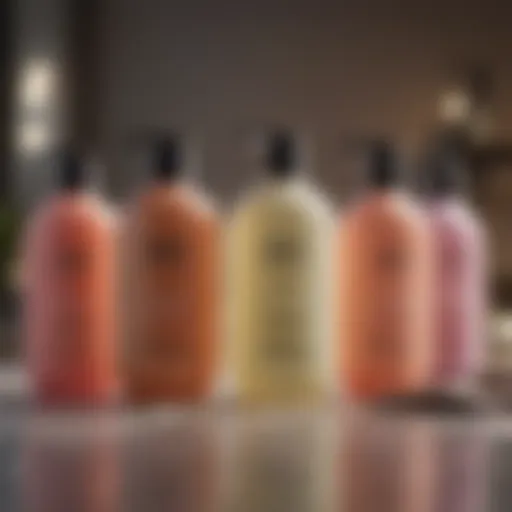
Shampoos and conditioners tailored for colored hair are essential. They provide properties that help in preserving the vibrancy of the color while adding moisture and shine. These products are usually sulfate-free, as sulfates can strip the hair of its color and natural oils, leaving it dry and dull. A key characteristic of these shampoos is their formulation containing color-protecting ingredients, which shield the dye in each strand.
The best benefit of using such specially designed shampoos is that they help retain the shade longer. However, one should be cautious; some of these products may feel heavy or greasy if overused, particularly for fine hair.
Hair Masks and Treatments
Using hair masks and treatments can be a game-changer for maintaining colored hair. These products are often packed with nourishing oils and proteins specifically designed to restore moisture and repair damage. The unique feature of hair masks is that they provide deep conditioning, addressing issues like dryness caused by coloring processes.
A strong point in favor of hair masks is their versatility—they can be used weekly or even as a quick treatment for a few hours. However, if someone uses them too frequently, it might lead to buildup, weighing the hair down.
Heat Protection Products
For those who regularly style their hair using heat tools, heat protection products are a must-have. Such products form a barrier against the high temperatures generated by styling tools, reducing the risk of color fading and damage. Their key characteristic lies in their ability to shield the hair from direct heat while also leaving a protective coating, which can help in maintaining color.
While these products can prolong the life of your hair color, it's important to note that not all heat protectants are equal. Some can leave hair feeling sticky or looking greasy, particularly if they're applied incorrectly.
Methods for Coloring Hair
DIY Techniques
DIY techniques have gained popularity, allowing individuals to experiment with color from the comfort of their own home. The key characteristic of DIY coloring is accessibility; many find it more appealing than going to a salon due to cost and convenience. Furthermore, it offers a hands-on experience where one can customize the color process.
However, the downside is that not everyone has the expertise or knowledge to mix and apply colors properly, which can lead to undesirable results. It’s essential for those venturing into DIY methods to follow instructions closely to avoid mishaps.
Professional Services
Opting for professional services is often seen as a gold standard when it comes to coloring hair. The benefits of professional services include expert knowledge, custom color formulation, and high-quality products typically used in salons. Hair professionals understand nuances like the original hair color and skin tone alignment, producing results that one simply cannot achieve at home.
Despite these advantages, professional services can be cost-prohibitive for some. Also, committing to a stylist means you often rely on their schedule, which can be inconvenient.
Temporary vs. Permanent Options
Temporary and permanent options offer distinct advantages for those looking to change their hair color. Temporary hair color is easy to apply and remove, making it ideal for those who want to experiment without commitment. It can also be changed based on the season or mood. In contrast, permanent hair color provides longer-lasting results, often needing fewer touch-ups.
The unique feature of temporary color lies in its non-intrusive nature, which doesn’t damage hair like certain permanent dyes might. However, it typically fades after a wash or two, whereas permanent options can lead to root growth issues as natural hair color resurfaces.
Keeping hair color vibrant may take work, but the results can be well worth the effort. Knowing proper upkeep methods leads to healthier hair and better color retention.
[Further insights into product choices can be found on resources such as Self.com, BeautyBanter.com, or educational sites like GoToBeauty.com.]
Future Trends in Hair Color
The world of hair color is constantly evolving, reflecting a blend of artistic expression, technological advancements, and cultural shifts. As we look ahead, it’s clear that innovations in products and societal attitudes will play a massive role in shaping how we perceive and use hair color. With consumers becoming increasingly aware of environmental sustainability and personal expression, understanding these trends is essential for anyone interested in the multifaceted realm of hair aesthetics.
Innovations in Hair Coloring Products
Eco-Friendly Formulations
In recent years, eco-friendly formulations have surfaced as a significant trend in the hair coloring industry. These products are not only formulated to be gentler on the hair and scalp, but they also prioritize sustainability, aiming to reduce the environmental impact. One of the key characteristics of such products is their use of natural and organic ingredients, which promise lower levels of harsh chemicals and toxic substances.
The benefits of eco-friendly formulations are numerous. They often reduce the chances of irritation and allergic reactions while being kinder to our planet through biodegradable components. For example, companies are now using botanical extracts and essential oils not just for their pleasant scents but also for their nourishing properties. However, a downside could be the perceived lack of vibrancy compared to traditional dyes, necessitating those interested in striking colors to find a balance between nature and aesthetics.
Customization Options
Personalization has become a buzzword in various industries, and hair coloring is no different. Customization options in hair products allow consumers to tailor their color experience to their specific desires. This can mean mixing shades at salons or buying semi-permanent dyes that can be blended at home, making it easy to achieve unique, signature looks.
The allure of customization lies in its ability to provide a truly personal touch, reflecting individual identity without limitations. Moreover, this trend speaks directly to the beauty of diversity in hair color. However, one unique feature to consider is that a high level of customization may require more education and skill on the part of consumers. This could lead to potential mishaps if not done correctly, which can make some less adventurous about taking the leap.
Gadgets and Technology in Hair Coloring
The integration of technology into hair coloring has opened new doors for innovation. From color-matching apps to advanced application tools, modern gizmos are designed to simplify the coloring process. Many of these gadgets promote precision and efficiency, which is essential for achieving that flawless look.
A defining aspect of these technological advancements is how they improve the DIY experience. For instance, smart devices can analyze hair types and suggest suitable products, thus enhancing the chances of success in home applications. However, there are some downsides. The reliance on gadgets can sometimes lead to an impersonal connection to the creative process of hair coloring, as it may strip away the artistry involved in applying color by hand.
The Future of Hair Color in Society
Shifting Beauty Standards
Beauty standards are undeniably in flux, with contemporary society increasingly embracing variety over uniformity. Shifting beauty standards represent the collective move towards accepting all forms of expression, including through hair color. This change signifies a greater appreciation for individuality, where vibrant colors and unconventional shades are celebrated rather than shunned.
This trend encourages self-exploration and authenticity, as people are seeking to represent their true selves without societal constraints. However, while this shift can be empowering, it also places pressure on individuals to continuously adapt to ever-changing norms, which may lead to confusion about personal identity in the vast sea of styles.
Embracing Diversity in Hair Color
The acceptance and celebration of diverse hair colors is not just about aesthetics, it's about identity and representation. Embracing diversity in hair color means recognizing that everyone can find beauty in their unique choices that reflect their backgrounds and personalities. The key characteristic of this trend is the encouragement of non-traditional colors, allowing people from all walks of life to showcase their identity.
The advantages of celebrating diversity in hair color include fostering a more inclusive environment where preferences are recognized and validated. Nonetheless, on the flip side, it could create disparities in how certain styles are perceived based on cultural biases, complicating the journey towards full acceptance.
The Role of Hair Color in Self-Identity
Hair color as a form of self-identity is a powerful statement in both personal and social realms. For many, hair color embodies a part of who they are; it can represent heritage, personality, or even lifestyle choices. Changing one's hair color can indicate personal transformations, reflecting stages in life or new chapters.
The significance of this role lies in establishing a connection between appearance and identity, allowing individuals to express their innermost selves with color choices. However, a potential downside exists; societal pressures associated with hair color can sometimes lead to feelings of inadequacy if individuals feel the need to conform to specific standards. Overall, embracing hair color as a representation of self warns of the dual-edged nature of beauty standards in an ever-evolving cultural landscape.